
Managing a smart home security system should be empowering, not overwhelming. There are many practical reasons to pause your monitoring system temporarily without compromising overall safety. Perhaps you are hosting a gathering and don’t want constant alerts interrupting the flow of the event, or maybe you’re doing maintenance in areas monitored by your cameras. Even taking a few quiet hours with your family can be a valid reason.
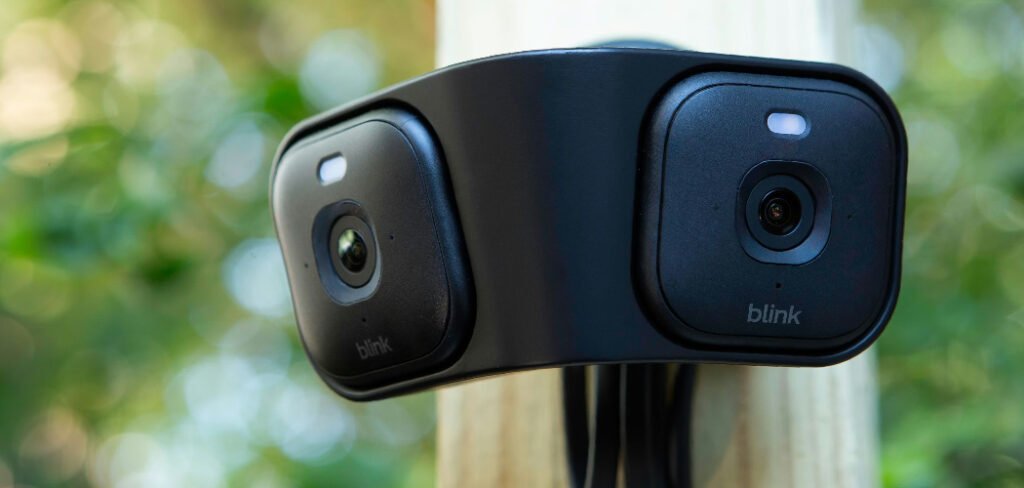
Learning how to turn off Blink camera temporarily allows you to control your smart home devices efficiently while maintaining peace of mind. This process is designed for convenience and flexibility, not to reduce the effectiveness of your security setup. By understanding the temporary disarm features built into the app, you can manage your devices intelligently, ensuring the system works for your lifestyle needs. With this guide, you’ll gain confidence navigating the app and adjusting your Blink cameras calmly and efficiently.
What Does Turning Off a Blink Camera Temporarily Mean?
Temporarily turning off a Blink camera involves pausing its recording and motion detection functions without fully powering down the device. The camera remains connected to your network and ready to resume operation, but it stops sending alerts and recording clips during the disarmed period. This feature is handy when you want short-term privacy or need to reduce unnecessary notifications.
Think of it as a “pause” mode. Everything is maintained in the system so that normal functionality can resume immediately. Users can manage this directly from the app interface, avoiding the need to unplug or remove batteries physically. This approach simplifies control, making it easier to integrate temporary adjustments into your daily routines.
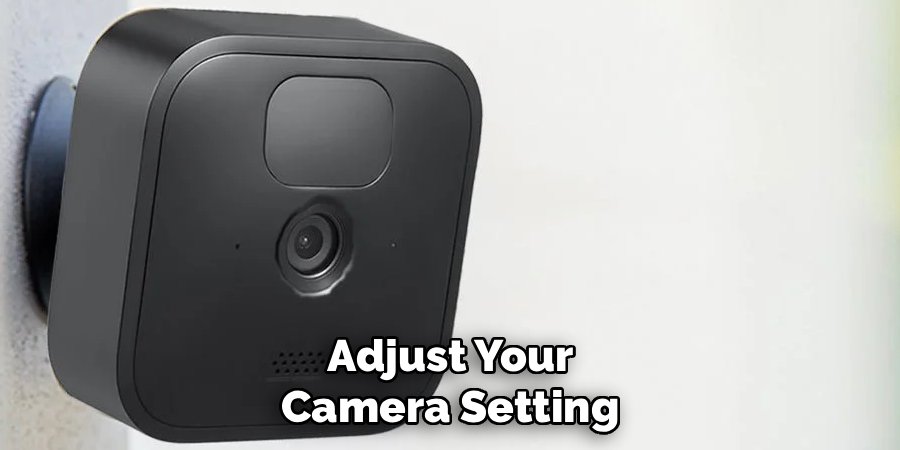
Preparing to Adjust Your Camera Settings
Before diving into the app, a little preparation goes a long way. Ensure your smartphone or tablet is charged and connected to a stable Wi-Fi or cellular network. Being near the camera can help confirm its status if needed. Take a few moments to focus on the task, reducing the chance of misclicks or confusion while navigating menus.
By preparing in advance, you create a calm environment for adjusting your Blink camera’s settings. This approach ensures smooth operation, avoids unnecessary frustration, and helps you maintain a consistent and effective home monitoring setup. Approaching system management methodically fosters both convenience and confidence.
Why Temporarily Disarming Your Camera Is Important
Temporarily pausing a Blink camera is not about reducing safety; it is about intelligent system management. By disarming when appropriate, you can prevent unnecessary alerts, reduce battery consumption for wireless devices, and maintain focus on meaningful notifications.
Understanding when to pause recording helps balance security with convenience. It ensures that cameras are active when genuinely needed while providing flexibility during social events, maintenance, or high-traffic periods. This careful management contributes to a more reliable system overall, protecting your home without overwhelming you with constant alerts.
Common Situations You Should Be Aware Of
Several everyday scenarios make temporarily pausing your Blink cameras practical and convenient. Social gatherings with frequent movement can trigger unnecessary notifications. Home renovations or repairs often involve repeated motion that could lead to persistent alerts. Gardening, mowing the lawn, or cleaning near cameras can similarly create excess notifications. Sometimes, you may simply want private time without digital monitoring. Understanding these situations helps you make informed decisions without compromising overall safety.
Tools and Materials You’ll Need
- Smartphone or tablet (iOS or Android)
- Updated Blink Home Monitor app
- Account login credentials
- Stable Wi-Fi or cellular connection
- Access to the Sync Module (optional, depending on your setup)
Step-by-Step Guide: How to Turn Off Blink Camera Temporarily
Step 1: Access the Blink App
The first step is to open your mobile device and launch the Blink Home Monitor app. This serves as the central hub for controlling all connected cameras. Ensure you are in a quiet and secure location to avoid distractions and to protect your privacy while accessing sensitive information.
Once the app loads, the home screen will display all your devices. Verify that you are logged into the correct account, especially if multiple users share access. Take a moment to familiarize yourself with the dashboard layout, noting the device names and thumbnails for each camera. This ensures that you are controlling the intended camera, providing a layer of protection against accidental disarming of critical monitoring points.
Step 2: Identify the Camera to Adjust
Next, locate the specific camera you want to pause. If you have multiple units, this step is essential for preventing inadvertent adjustments. Look at the names you have assigned, such as “Front Porch,” “Garage,” or “Living Room.” Confirm the camera by checking the thumbnail image, which usually shows a recent snapshot.
Once identified, note the motion detection status icon, often represented by a running figure. Understanding which icon corresponds to the camera’s monitoring function is crucial for accurate adjustments. Taking the time to verify ensures the correct camera is temporarily disabled without affecting others that remain actively protecting your home.
Step 3: Disarm the Camera or System
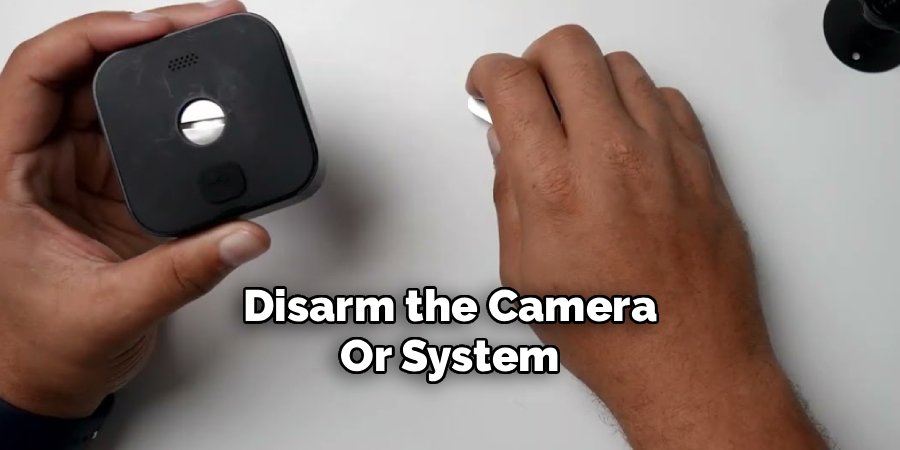
Now you can pause the camera’s monitoring functions. You have the choice of disarming an individual camera or the entire system if connected to a Sync Module. To disarm the entire module, locate the “Armed/Disarmed” toggle switch and slide it to “Disarmed.” This action pauses alerts and recording across all devices linked to that module, providing a convenient option when privacy is needed for multiple areas.
For single-camera adjustments, tap the motion detection icon next to the camera you wish to pause. The icon should change color, indicating it is inactive. This action temporarily suspends motion detection and recording for that unit while maintaining protection across other cameras. Pausing only selected devices allows for situational flexibility without compromising overall security.
Step 4: Confirm the Change
After toggling the setting, verify that the disarm command has been successfully implemented. Check the app interface: if the system was disarmed, the toggle should clearly display “Disarmed.” If a single camera is paused, the motion detection icon should appear inactive or greyed out.

In some setups, you can also verify via the camera’s status LED, which should no longer light when motion is detected. Waiting a few moments ensures that the command has synchronized with the cloud and the device. This verification step is crucial for reliable operation and peace of mind, confirming that your temporary adjustments have been properly executed.
Step 5: Re-enable Your Camera
Once your temporary pause is complete, remember to re-enable the camera or system. For a full module, toggle back to “Armed.” For individual cameras, tap the motion detection icon to turn it back on.
Re-arming restores full functionality, ensuring your system continues to protect your home effectively. Incorporating this as a routine step after temporary pauses prevents accidental gaps in monitoring. Prompt reactivation maximizes the benefits of a flexible, user-friendly security system while maintaining high standards of home safety.
Simple Safety Tips You Can Use
Maintaining a secure environment involves more than just pausing cameras. Keep your app updated regularly to avoid glitches or vulnerabilities. Use strong, unique passwords and consider enabling two-factor authentication. Ensure cameras are mounted securely and out of reach to prevent tampering. Periodically review recorded clips to understand activity patterns and adjust motion sensitivity for optimal performance. Combining these practices with careful management of your system enhances safety, convenience, and overall reliability.
How to Stay Safe in Everyday Situations
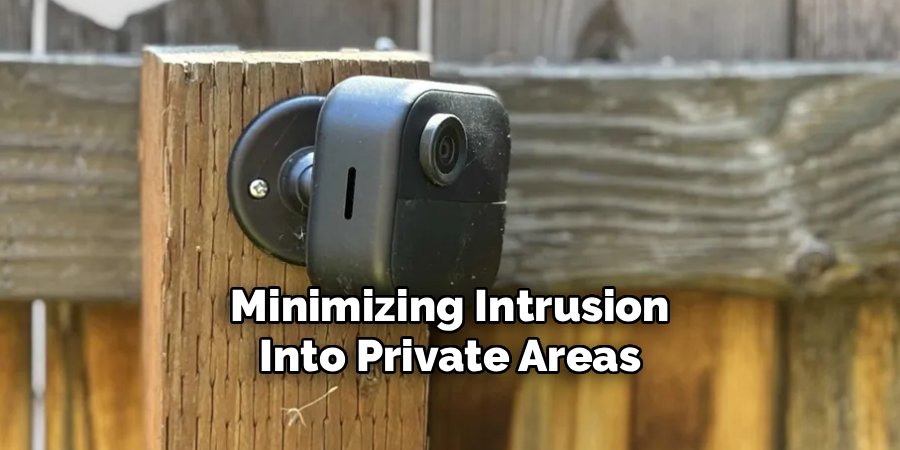
At home, continue using standard physical security measures, like locking doors and windows. Educate family members about responsible camera use and the importance of avoiding interference with monitoring devices. Position cameras to cover key entry points while minimizing intrusion into private areas. Outdoor lighting, motion sensors, and careful camera placement work together with your Blink system to maintain a balanced and effective home security environment. Consistency and mindful usage ensure your devices complement your daily routines without disruption.
Common Mistakes to Avoid
A common oversight is forgetting to re-enable cameras after temporary pauses, leaving areas unmonitored. Low battery warnings are also frequently ignored, potentially rendering wireless units inactive. Excessive motion sensitivity can cause alert fatigue, reducing the likelihood of responding to important notifications. Sharing login credentials widely or relying solely on cameras without other security measures are additional pitfalls. Being aware of these mistakes promotes better habits and a more reliable home monitoring system.
Frequently Asked Questions
Can I schedule my cameras to turn off automatically?
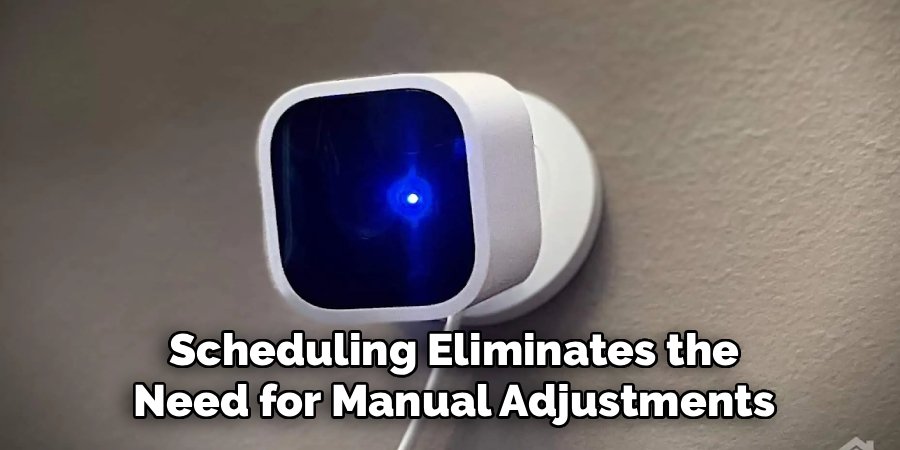
Yes, Blink offers scheduling features that allow cameras to arm or disarm at set times. You can program daily or weekly schedules to automatically pause cameras during predictable periods, such as mornings when the family is active indoors, and re-arm them when leaving for work or at night. Scheduling eliminates the need for manual adjustments, ensuring your system is active when needed and inactive when desired, providing convenience without compromising safety.
Does turning off the camera delete my saved clips?
No, pausing or disarming a camera does not delete previously recorded footage. All prior clips remain safely stored in the cloud or on local storage, depending on your subscription. Disarming simply stops new recordings during the paused period. Users can still access and review historical footage, maintaining continuity and ensuring that important recordings remain available even when temporary adjustments are made to the system.
Will the camera still detect motion if I turn off notifications?
It depends on the setting you adjusted. If only notifications are silenced on your phone, the camera continues recording and sending alerts. If the system or motion detection icon is disarmed, the camera temporarily stops monitoring, recording, and alerting. Understanding the distinction between muting alerts and pausing device functionality is important to effectively manage your system and maintain the desired balance between privacy and security.
Is it possible to turn off the blue recording light?
Many Blink models allow adjustment of the status LED through app settings. You can usually set it to “Off” or “Recording Only.” However, some firmware versions maintain a visible light for privacy and compliance purposes. The indicator notifies people that a recording is in progress, promoting transparency. Adjustments should be made responsibly, balancing personal privacy preferences with ethical monitoring practices.
Does pausing the camera save battery life?
Yes, disarming a camera significantly reduces energy consumption. Motion detection, recording, and data transmission are the primary energy demands. Pausing the system allows the camera to enter low-power mode, extending battery life for wireless devices. Strategic temporary pauses during high-traffic periods can reduce the frequency of battery replacements and help maintain consistent, reliable functionality without compromising the active security of the overall system.
Conclusion
How to turn off Blink camera temporarily is a useful skill for any smart home owner, allowing for flexibility without compromising long-term safety. By pausing cameras during busy periods, maintenance, or private moments, you prevent unnecessary notifications, conserve battery power, and maintain control over your home environment.
Always remember to reactivate your system promptly to ensure continuous protection. Combining temporary pauses with good digital hygiene, app updates, and mindful camera placement creates a secure, adaptable, and user-friendly home monitoring setup. Mastering these adjustments helps balance convenience, privacy, and consistent security, giving you confidence and peace of mind.
