
Childproofing your home is one of the most proactive steps you can take as a parent. It creates a secure environment where your little explorers can roam freely without getting into hazardous items. However, there are moments when these security measures work a little too well. We have all been there. You are in a rush to grab a cleaning supply or a specific spice for dinner, and the latch simply will not budge. It can be a moment of mild frustration, but it also proves the device is doing its job correctly.
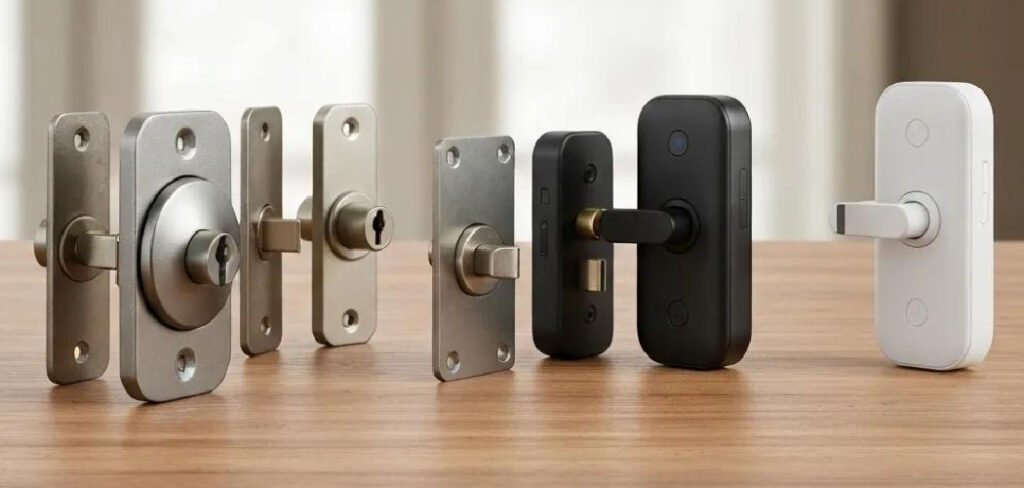
Understanding the mechanics behind these devices is key to maintaining a calm household. You want to ensure you can access your belongings quickly while keeping the barriers intact for your children. Most of these locks rely on simple physics or magnetism.
Once you understand the specific motion required, accessing your cabinets becomes second nature. If you are currently standing in your kitchen, wondering how to open Safety 1st cabinet lock without causing damage to your furniture, you are in the right place. We will walk through the intended methods for operating these common safety devices.
What is a Safety 1st Cabinet Lock?
A Safety 1st cabinet lock is a specialized device designed to restrict access to cupboards, drawers, and enclosures. These tools are essential components of a childproofed home. They act as a barrier between curious toddlers and potential household hazards.
Typically, these locks come in two main varieties. The first is a spring-loaded latch that mounts inside the cabinet door. It catches on the frame and requires manual depression to release. The second is a magnetic locking system. This version remains completely invisible from the outside. It relies on a powerful magnetic key to disengage the internal mechanism. Both types serve the same purpose of creating a safer environment for families.
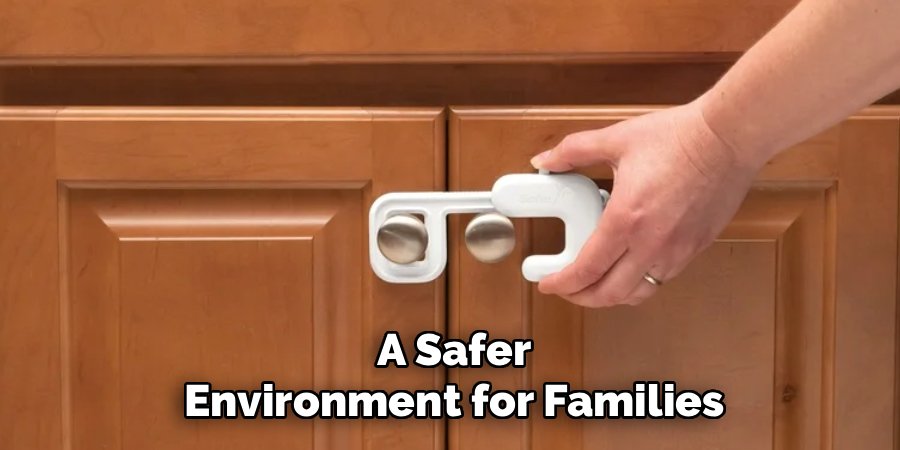
The Importance of Cabinet Locks
Installing cabinet locks is a fundamental aspect of modern parenting and home safety. These devices provide peace of mind by securing areas that contain items not suitable for children. They are commonly used in kitchens to secure cleaning chemicals, in bathrooms for toiletries, and in living areas to protect fragile items.
By limiting access, you effectively reduce the risk of accidental ingestion or contact with sharp objects. This allows parents to relax slightly, knowing that the most dangerous areas of the home are secured. It promotes a proactive approach to safety rather than a reactive one. While they may be a minor inconvenience for adults, the protection they offer is invaluable for growing families.
Common Causes or Risk Factors
There are several scenarios where knowing how to properly operate these locks is essential. The most obvious is daily life. You need constant access to your dishes, food, and supplies. Developing the muscle memory to open these locks smoothly ensures your day remains efficient.
Another common situation involves guests or babysitters. Grandparents or friends who are not used to childproofed homes may struggle to open a drawer. Knowing the mechanism allows you to teach them quickly, preventing them from pulling too hard and damaging the cabinetry.
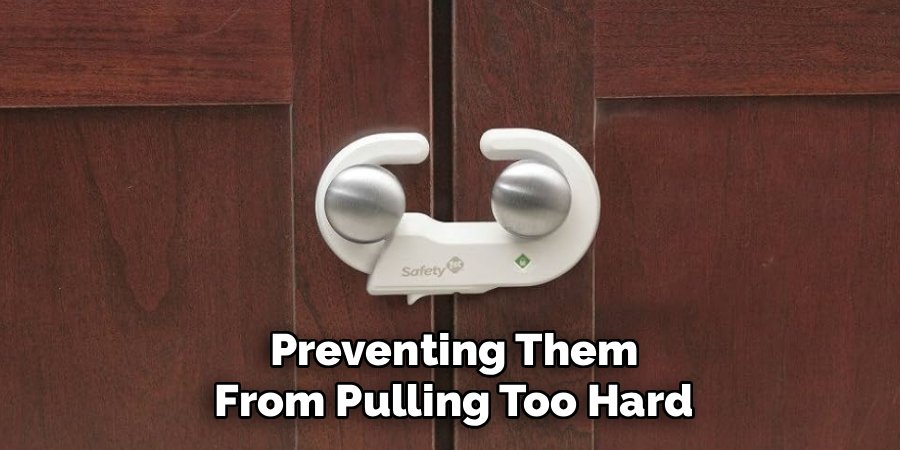
Moving into a new home is another frequent scenario. Previous owners often leave child safety devices installed. You may find yourself needing to access cabinets before you have decided whether to keep the existing safety measures.
Finally, maintenance is a factor. Occasionally, items inside a drawer can shift and jam the mechanism. Understanding how the lock engages helps you troubleshoot these moments calmly. It is all about awareness of your environment and ensuring authorized adults can always access what they need.
Step-by-Step Guide: Opening Your Cabinet Locks
Step 1: Identify Your Locking Mechanism
Safety Caution: Before attempting to access the cabinet, ensure you are not applying excessive force. Pulling aggressively on a locked door can damage the wood veneer or strip the screws holding the lock in place. Take a moment to visually inspect the cabinet for improved safety.
The first stage in accessing your secured storage is determining exactly which type of protection is currently installed. This might seem obvious, but the method of entry is entirely different depending on the model. If you can open the cabinet door slightly—about an inch or so—before it stops, you are likely dealing with a spring-loaded latch. These are mechanical arms that hook onto the frame of the cabinet. You will be able to see the white plastic arm catching on the lip of the drawer or door frame. This gap allows you to insert a finger to operate the latch.
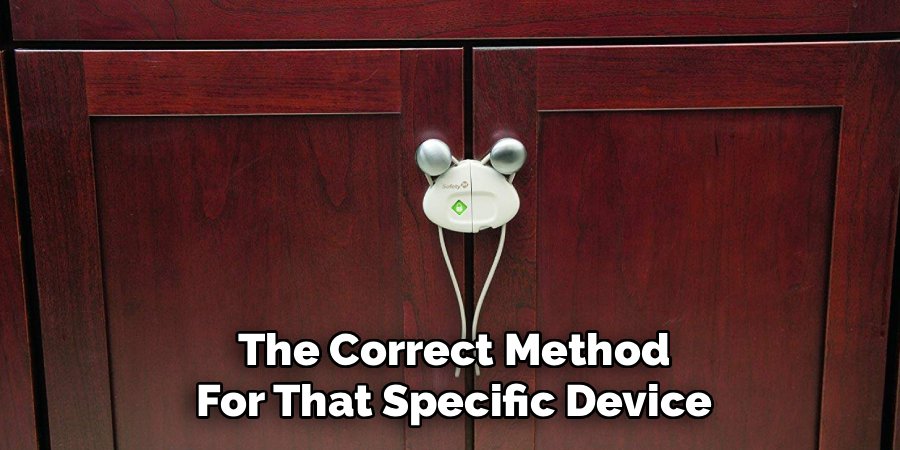
However, if the door remains firmly shut and does not budge at all when you pull gently, you are likely working with a magnetic locking system. These are installed completely inside the cabinetry and offer no visual clues from the exterior. They are popular because they maintain the aesthetic of the kitchen.
Identifying the mechanism is crucial because it dictates your next move. A magnetic lock requires a specific tool, whereas a spring latch requires manual dexterity. Take a moment to test the resistance of the door gently. This tactile feedback is your primary indicator. Once you have confirmed the style of the hardware, you can proceed with the correct method for that specific device.
Step 2: Operating the Magnetic Locking System
Safety Caution: Ensure you have the correct magnetic key for the system. Using strong industrial magnets not designed for the lock may cause scratches to the cabinet surface or fail to disengage the internal catch properly. Always handle the magnetic key with care.
If you have identified that your cabinets are secured with a magnetic system, you will need the designated magnetic key. This usually looks like a small, round knob. The internal mechanism consists of a latch that stays in the locked position until the magnet lifts it. To open the door, hold the magnetic key against the outside face of the cabinet door. You need to place it directly opposite where the lock is installed on the inside. Usually, this is near the top corner of a door or the center top of a drawer, but installation spots can vary.
Move the key slowly across the surface in the suspected area. You are listening and feeling for a distinct “click” or a sudden release of tension. This sound indicates that the magnet inside the key has attracted the metal pin inside the lock, pulling it down or lifting it up to disengage the catch. Once you hear that connection, hold the key firmly in place against the wood.
With your other hand, gently pull the knob or handle of the cabinet. The door should open smoothly without resistance. If it does not open, do not force it. You may need to slide the key slightly to align it perfectly with the internal mechanism. This method is the standard way to learn how to open Safety 1st cabinet lock when using their magnetic series.
Step 3: Disengaging the Spring-Loaded Latch
Safety Caution: Be mindful of your fingers when reaching into the gap of a partially opened drawer. The edges of the latch or the cabinet frame can sometimes be sharp. Proceed slowly to avoid pinching your skin or damaging the mechanism.
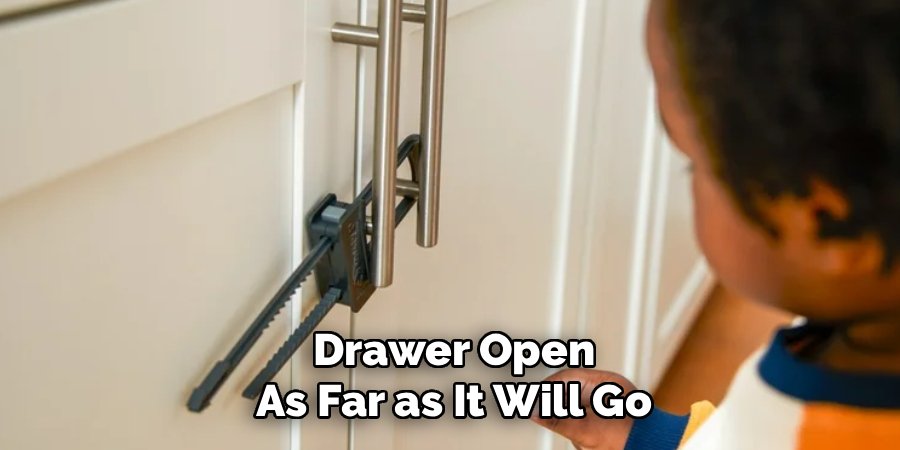
For the spring-loaded latch style, the process requires a bit more manual interaction. Start by pulling the cabinet door or drawer open as far as it will go. It will stop after about an inch or two when the safety arm catches on the frame catch. This gap is intentional; it allows adults to reach in while preventing children from opening the drawer fully. Look through the gap to locate the plastic arm. It is usually mounted on the top or side of the interior.
Insert your finger through the opening. Your goal is to depress the flexible plastic arm downward (or to the side, depending on orientation) so that the hook clears the catch on the cabinet frame. You will feel the resistance of the spring plastic. Apply firm, steady pressure to bend the arm just enough to clear the obstacle.
While holding the latch down, pull the door open fully. Once the hook clears the frame, you can release the latch. It will spring back to its original position, ready to lock automatically when you close the door again. This manual release becomes muscle memory very quickly. It is a simple, mechanical interaction that relies on adult finger strength and dexterity. Ensure you are pressing on the designated pad of the latch to get the best leverage for a smooth release.
Troubleshooting Tips on How to Open Safety 1st Cabinet Lock
Safety Caution: If a lock feels completely stuck, do not use tools like screwdrivers to pry the door open. This creates a potential risk of slipping and causing injury or ruining the cabinetry. Patience is your best tool in this situation.
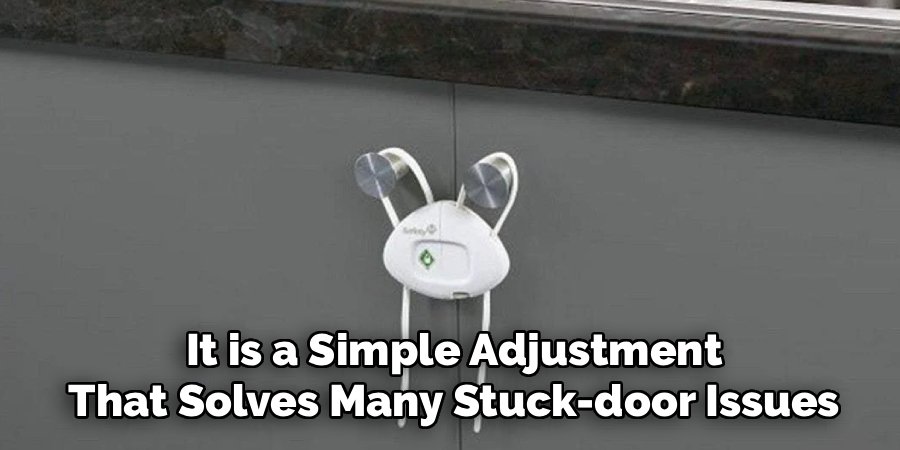
Sometimes, despite doing everything right, a lock may refuse to disengage. This often happens if the items inside the drawer have shifted and are pressing against the locking mechanism, creating too much friction. If the magnetic key is not working, try pushing the door in slightly before applying the magnet. This relieves the pressure on the internal catch, allowing the magnet to lift the pin more easily. It is a simple adjustment that solves many stuck-door issues.
For spring latches, misalignment is often the culprit. Over time, cabinet doors can sag slightly on their hinges. If the arm is catching too securely, try lifting the door handle slightly upward as you pull it open. This realignment can help the latch clear the catch. Additionally, ensure there is no debris or sticky residue on the latch arm that might be making it adhere to the frame.
If a lock is consistently difficult to operate, it might be installed too tightly or in a slightly wrong position. In these cases, once you get it open, you might need to adjust the installation screws for better protection and smoother operation. Regular checks ensure your system remains functional and accessible for adults while staying secure for children.
Simple Safety Tips You Can Use
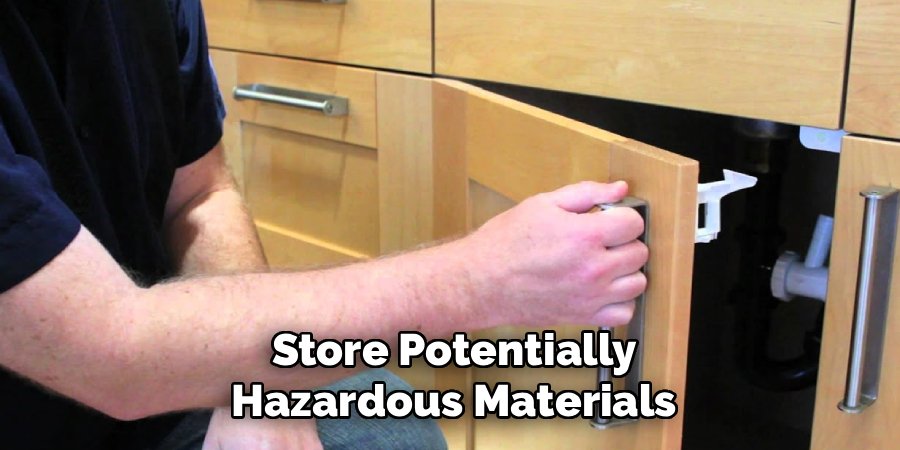
Maintaining a secure home environment involves more than just installing safety devices; it’s also about creating consistent habits. One of the most effective strategies is organization. Store potentially hazardous materials, such as cleaning chemicals and medications, in high, out-of-reach cabinets whenever possible. Even if these cabinets are locked, adding that extra layer of height provides a secondary safeguard.
Regularly check your safety devices to ensure they are functioning correctly. A quick tug on a locked cabinet door during your daily routine can confirm that the latch is engaged and holding firm. It’s also helpful to teach older children in the home about the purpose of these locks and why certain cabinets are off-limits. This builds a culture of safety awareness within the family.
H3: How to Open Safety 1st Cabinet Lock and Maintain It
For the adult user, operating a cabinet lock should be a straightforward process. Most designs, including many from Safety 1st, use a press-and-pull or a sliding mechanism that is simple for an adult hand but difficult for a small child. Familiarize yourself with the specific type of lock you have installed. Taking a moment to read the instructions when you first install them can save you from frustration later. To maintain the lock, keep it clean and free from debris that might jam the mechanism. A simple wipe-down is usually all that is needed to ensure it continues to operate smoothly.
How to Stay Safe in Everyday Situations
Integrating safety into your daily life makes it feel less like a chore and more like a natural part of your routine. At home, this means being mindful of the environment from a child’s perspective. Get down on their level to see what they see. You might be surprised by what looks tempting from two feet off the ground. This viewpoint helps you identify which cabinets and drawers are most likely to attract attention and therefore need securing.
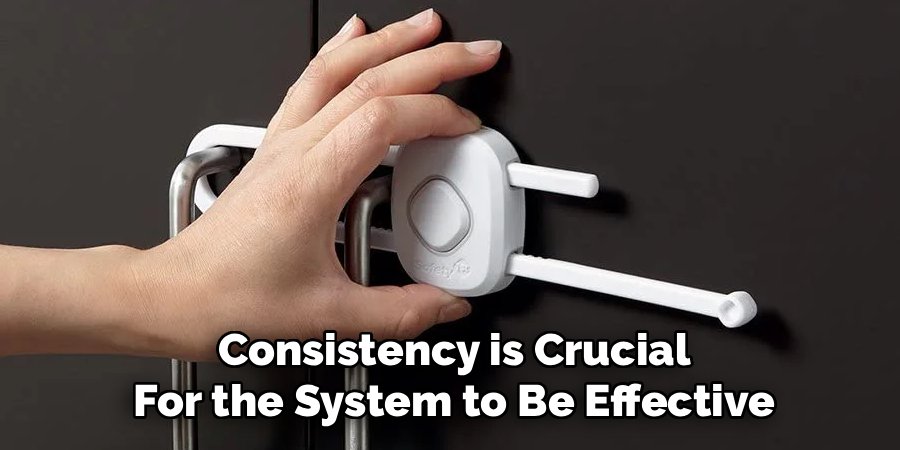
Within the family, communication is key. Ensure all adults and older siblings in the household understand how to operate the cabinet locks correctly. This prevents a situation where one person, unable to open a lock, might leave it disengaged, unknowingly defeating its purpose. Consistency is crucial for the system to be effective.
Regarding your furniture and lifestyle, choose your battles. You may not need to lock every single cabinet in your home. Focus on the areas with the highest potential risk, such as the kitchen, bathrooms, and laundry room. For cabinets containing harmless items like plastic containers or towels, you might decide a lock is unnecessary. This targeted approach to babyproofing can make your safety system more manageable and just as effective.
Common Mistakes to Avoid
One of the most common mistakes is improper installation. A cabinet lock that is not installed securely according to the manufacturer’s directions may fail under pressure. This can give a false sense of security. Always take the time to read the instructions carefully and ensure the lock is firmly in place, whether it’s an adhesive or a screw-in model.
Another pitfall is inconsistent use. A cabinet lock is only effective when it is engaged. It can be tempting to leave a lock undone for just a moment while you’re busy in the kitchen, but a toddler can get into trouble in a matter of seconds. Make it a habit to close the cabinet and engage the lock every single time.
Finally, avoid forcefully pulling on a cabinet that you are struggling to open. This can break the lock, damage your cabinet, or even cause injury. If a lock seems stuck or you are unsure how to operate it, it’s better to pause and calmly examine the mechanism. Rushing or using excessive force is counterproductive and undermines the goal of maintaining a safe and secure home. Understanding the correct, gentle method of operation is always the best approach.
Frequently Asked Questions
What if my Safety 1st lock seems stuck or is not opening easily?
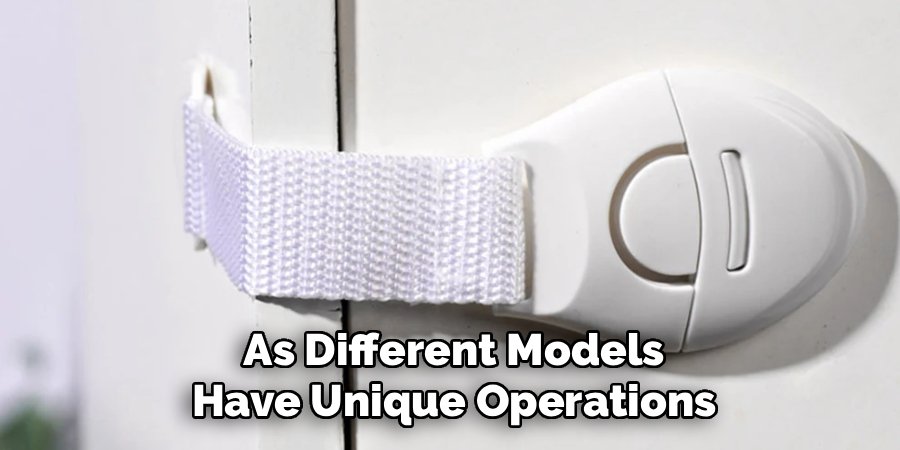
If a lock feels stuck, the first step is to avoid applying force, as this could damage the lock or your cabinet. Often, the issue is minor. Check to ensure the door or drawer is fully closed, as a slight misalignment can prevent the latch from disengaging properly. Gently press the cabinet door inward while you attempt to operate the lock mechanism. Sometimes, residue or a small object can obstruct the lock; inspect the area and clean it if necessary. If it still doesn’t open, take a moment to re-read the product’s instructions to confirm you are using the correct motion, as different models have unique operations.
Are there different types of Safety 1st cabinet locks, and do they open differently?
Yes, Safety 1st offers a wide variety of childproofing solutions to fit different types of cabinets and drawers, and their opening mechanisms vary. Some common types include magnetic locks, which require a special key to release; slide locks that go over two knobs or handles; and spring-loaded latches that require you to press down on a tab inside the cabinet. Because of this diversity, it is important to identify which model you are using. The method for opening a magnetic lock is completely different from that of a simple adhesive strap lock. Always keep the product’s original instructions or look them up online for your specific model.
Can I remove a Safety 1st lock without damaging my cabinet?
Most Safety 1st locks, especially adhesive models, are designed to be removable without causing permanent damage. For adhesive locks, the key is to gently heat the adhesive with a hairdryer on a low setting for a minute or two. This will soften the glue. Then, you can typically use dental floss or a plastic scraper to slowly saw or pry the lock away from the surface. Any remaining residue can usually be rolled off with your fingers or cleaned with a gentle adhesive remover. For screw-in models, removal will leave small holes that can be filled with wood putty and touched up with paint.
How do I know if the cabinet lock is installed correctly and is secure?
After installation, it’s essential to test the lock to confirm it’s working as intended. Close the cabinet door or drawer fully until you hear or feel the lock engage. Then, give the door a firm but gentle pull, mimicking the force a curious child might use. The door should not open more than an inch, and the latch should remain securely in place. For magnetic locks, test that the lock only releases with the key. Regularly performing this simple test, perhaps once a week, ensures that the lock remains secure and that the adhesive has not weakened over time, providing continuous safety.
Are cabinet locks only for homes with toddlers?
While the primary market for cabinet locks is families with toddlers, they can be useful in other situations as well. Households with pets, particularly clever dogs or cats that have learned to open cabinets, can use them to secure food or cleaning supplies. They are also beneficial in homes with vulnerable adults who may need protection from accessing certain items. Additionally, they are used in shared living spaces, such as dorms or roommate situations, to secure personal belongings. On a boat or in an RV, cabinet locks can prevent doors and drawers from flying open during transit, making them a versatile safety and convenience item.
Conclusion
Successfully managing your home safety devices, including knowing how to open Safety 1st cabinet lock mechanisms, is a small but vital part of parenting. These tools are designed to provide peace of mind, not daily frustration. By understanding the specific type of lock you have and using the correct technique, you ensure that your cabinets remain secure for children yet accessible for adults.
Remember that patience is your best tool. Whether you are dealing with a magnetic key or a spring-loaded latch, a gentle and deliberate approach works best. Maintaining your locks and communicating with family members about their operation creates a safer, smoother-running household. Trust in your ability to manage these safeguards effectively. You are creating a nurturing environment where your family can thrive, protected by thoughtful precautions and informed care.
