
Finding yourself unable to enter your home because your electronic lock’s battery has died can feel inconvenient, but it is easily manageable. Modern Schlage locks are designed with backup solutions that ensure you can regain access safely and calmly.
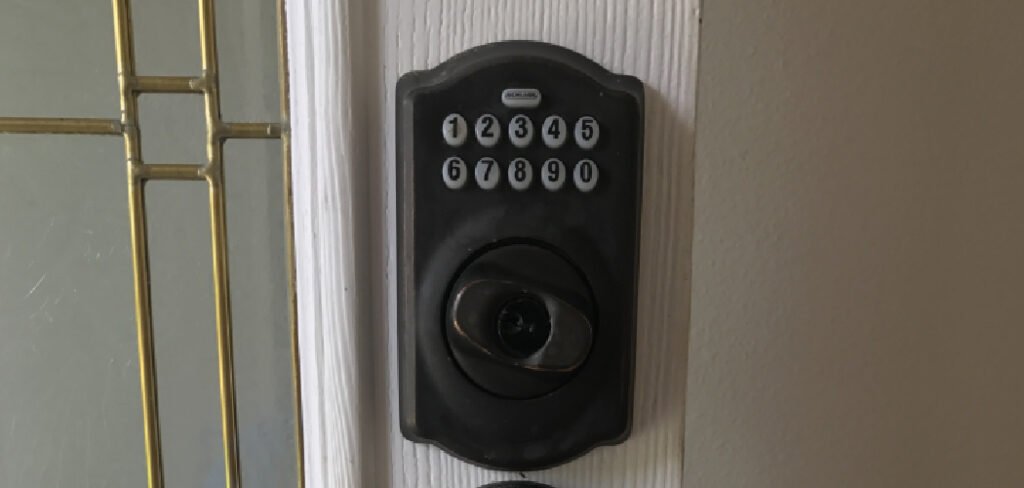
Understanding how to open a Schlage lock with a dead battery gives you confidence, knowing there are reliable alternatives when the keypad or electronic sensor is unresponsive. This guide walks you through these solutions step by step, highlighting simple precautions and practical strategies. With this knowledge, a temporary battery issue becomes a minor, manageable situation rather than a stressful event.
What Is a Dead Battery Lockout?
A dead battery lockout occurs when the power source of your electronic or smart lock is completely drained. In this state, the keypad and electronic functions cannot respond, preventing entry through code or fob access. This is not a sign of a faulty lock but a natural consequence of battery depletion. Schlage locks are equipped with backup mechanisms such as a mechanical key override and emergency battery contacts, ensuring access can still be restored safely and efficiently. Understanding this concept is the first step toward handling lockouts confidently.
Preparing for Entry
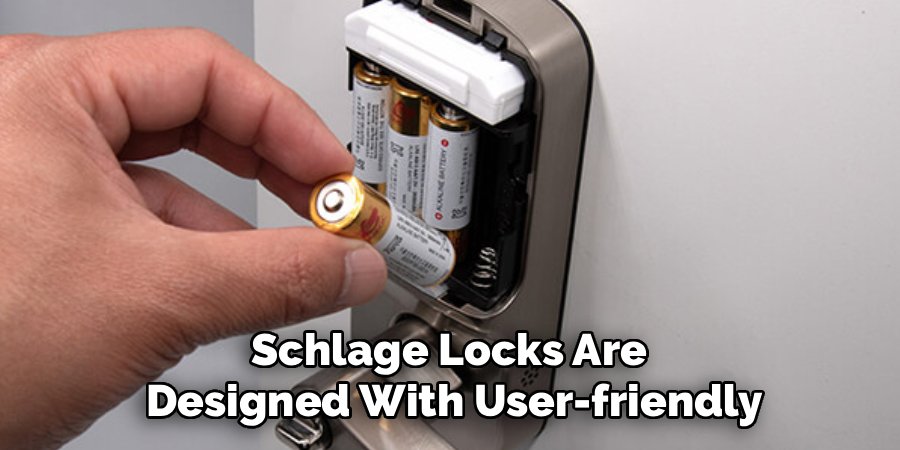
Before attempting to regain access, it is helpful to familiarize yourself with the available options. Schlage locks are designed with user-friendly backup features that require no advanced technical skills. You can use the mechanical key override or supply temporary power to the lock via emergency battery contacts. Being aware of these alternatives allows you to approach the situation calmly and methodically. Preparation and a clear understanding of the lock’s features ensure that restoring entry is straightforward and safe, without unnecessary stress.
Importance of Backup Access
Knowing how to access your lock during a dead battery scenario is crucial for peace of mind. Without understanding these backup features, a simple battery failure could feel like a major problem, potentially leading to unnecessary calls for professional assistance. The mechanical key override and emergency battery contacts provide reliable alternatives that allow you to regain entry safely. This knowledge transforms a potential inconvenience into a minor, manageable situation, keeping your home secure and your routine uninterrupted.
Common Situations You Should Be Aware Of
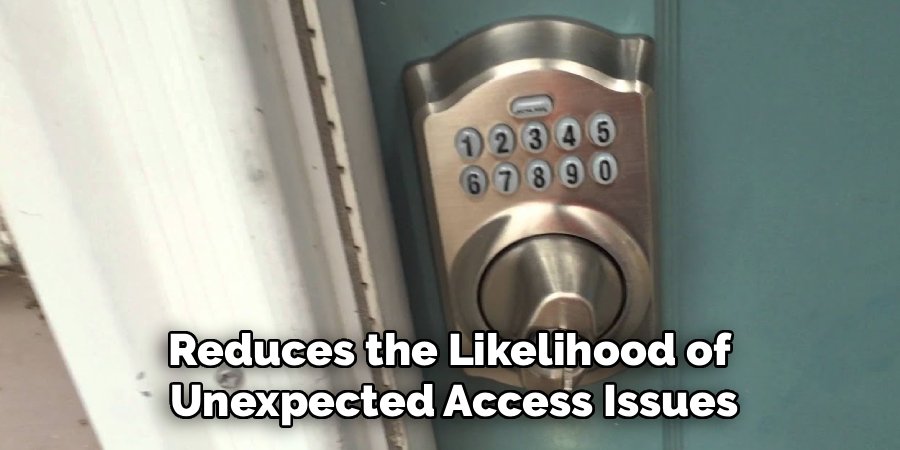
tronic lock power issues are most commonly caused by natural battery depletion over time. Extended usage, extreme weather conditions, and cold temperatures can reduce battery life, while loose or dirty contacts may prevent power from reaching the lock. Being aware of these situations helps you plan preventive measures and troubleshoot efficiently when a lock becomes unresponsive. Recognizing these factors ensures that your lock continues to function reliably and reduces the likelihood of unexpected access issues.
Tools and Materials You’ll Need
- Fresh 9-volt alkaline battery
- Physical backup key supplied with the lock
- Phillips head screwdriver for accessing the interior battery compartment
- Replacement AA batteries are recommended for your Schlage lock model
Step-by-Step Guide: How to Open a Schlage Lock With a Dead Battery
Step 1: Locate the Backup Key Override
Simple Precaution: Inspect the backup key for any bends, wear, or damage. Using a damaged key can stress the lock cylinder, so ensure the key is the original provided with your lock.
Step Explanation:
The most reliable first option is the mechanical key override. Nearly all Schlage electronic locks include a traditional keyhole, often hidden under a small cover to maintain a sleek exterior. Gently slide or lift the cover to reveal the cylinder. Insert the backup key and turn it like a conventional deadbolt. This approach bypasses the electronic components entirely, providing immediate access. Keep this key in a secure but accessible location outside your home, such as in a lockbox, a trusted neighbor’s home, or in your vehicle, to ensure easy use during emergencies.
Step 2: Identify the Emergency Battery Contacts
Simple Precaution: Hold the 9V battery by its casing, avoiding contact with the terminals. This prevents minor static interference and ensures a clean connection with the lock’s contacts.
Step Explanation:
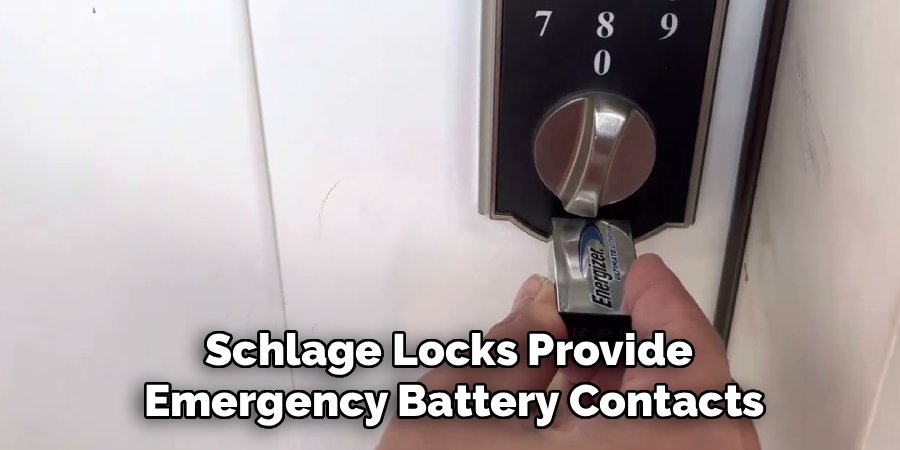
If the backup key is unavailable, Schlage locks provide emergency battery contacts on the exterior keypad. These metal terminals, typically located on the bottom of the unit, allow temporary power to the lock. The contacts are discreet but functional, designed to let you supply power without opening the interior compartment. Once identified, these contacts offer a practical, damage-free way to operate the lock electronically when internal batteries are depleted. This feature reflects the thoughtful design of Schlage products, allowing reliable access during temporary power loss.
Step 3: Use a 9-Volt Battery to Power the Lock
Simple Precaution: Apply steady, gentle pressure when connecting the battery to the contacts. Avoid twisting or forcing the connection to maintain a stable power supply and prevent wear on the terminals.
Step Explanation:
Place a new 9V battery against the emergency terminals. The connection can be made in either orientation, as the lock accepts temporary power from either terminal arrangement. Hold the battery firmly until the keypad illuminates or emits a sound, indicating that the lock is receiving power. This brief external energy supply is sufficient to operate the keypad and retract the deadbolt. Using the 9V battery in this way provides a simple and safe method for temporary access without affecting the internal electronics or compromising lock integrity.
Step 4: Enter Your User Code to Unlock the Door
Simple Precaution: Input your code slowly and deliberately. Some locks have a temporary lockout after several incorrect attempts, so accuracy ensures smooth operation.
Step Explanation:
While holding the 9V battery, enter your programmed code on the keypad. The lock should respond by retracting the deadbolt and allowing you to open the door. This approach demonstrates the effective combination of backup engineering and user-focused design in Schlage locks. Once inside, you can remove the battery and store it safely. This process highlights the practical, solution-oriented approach to electronic lock design, transforming a potential inconvenience into a simple and manageable task.
Step 5: Access the Interior Assembly
Simple Precaution: Use the correct screwdriver and apply even pressure when removing the interior cover. Avoid stripping screws or damaging the housing to maintain proper function and fit.
Step Explanation:
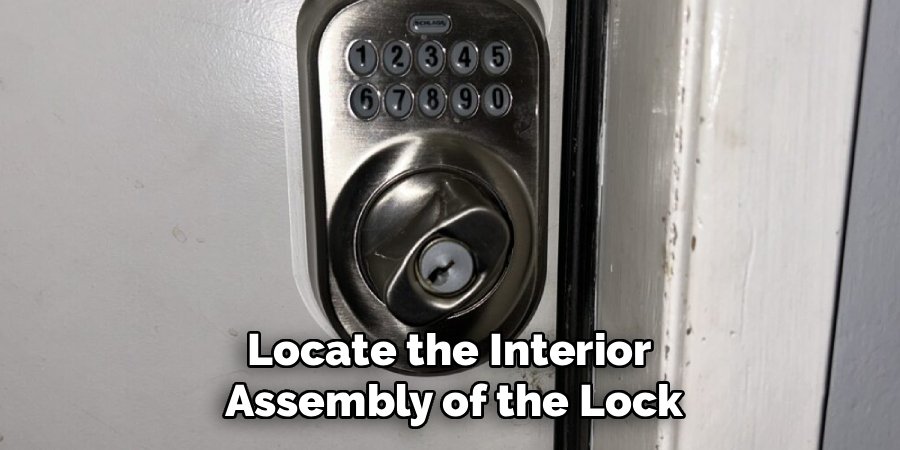
After entering your home, locate the interior assembly of the lock. Remove the screws holding the cover in place, or use the slide-off mechanism if available. This exposes the battery compartment and internal components. Carefully inspect for any dust, debris, or signs of wear. Opening the interior assembly not only allows for battery replacement but also provides an opportunity to maintain the internal mechanism. Routine inspection contributes to the longevity and reliable performance of your electronic lock.
Step 6: Replace the Batteries
Simple Precaution: Insert new batteries following the polarity markings (+/-). Using the wrong orientation can prevent the lock from functioning properly. Use fresh, high-quality alkaline batteries for best performance.
Step Explanation:
Remove all old AA batteries from the compartment. Replace them with new ones, ensuring alignment with the polarity indicators. Using a full set of fresh batteries guarantees consistent performance and prevents future lockouts. After installing the batteries, reattach the interior cover and secure it with screws. The lock should immediately power on, with keypad lights or sounds confirming operation. Testing the electronic functions ensures that your lock is fully operational, reflecting a complete and safe battery replacement process.
Simple Safety Tips You Can Use
Make battery replacement a regular part of home maintenance, ideally once per year. Store your backup key in a memorable, secure location that is easily accessible. Test the lock periodically to ensure mechanical operation remains smooth. Using high-quality batteries and keeping the lock clean and well-maintained prevents unexpected lockouts and ensures the continued reliability of your Schlage electronic lock.
Common Mistakes to Avoid
Ignoring low-battery warnings is a frequent issue. Misplacing the backup key or using low-quality or rechargeable batteries can compromise performance and reliability. Replacing all batteries simultaneously, storing the backup key safely, and using manufacturer-recommended alkaline batteries are best practices that minimize potential issues and maintain consistent lock operation.
Frequently Asked Questions
How often should I change the batteries in my Schlage lock?
It is recommended to replace batteries annually. While the lock’s low-battery indicator provides advance warning, proactive replacement accounts for usage patterns, temperature effects, and battery quality. High-quality alkaline batteries ensure consistent power, preventing unexpected lockouts and maintaining the lock’s full functionality.
Will my Schlage lock lose its programmed codes if the battery dies?
No. Schlage locks store codes in non-volatile memory, which preserves user information even without power. Once new batteries are installed, all codes remain active. This design ensures continuous security and avoids the need for reprogramming after battery replacement.
What if I lost my backup key and the 9V battery trick doesn’t work?
If both backup options are unavailable, contacting a certified locksmith is the safest solution. A professional can safely access the lock without damaging it. Attempting alternative methods can harm the lock and compromise home security. A qualified locksmith ensures efficient and secure resolution.
How to open a Schlage lock with a dead battery if the contacts are damaged?
If emergency contacts are corroded or blocked, the 9V battery method may not work. In this case, using the mechanical key is essential. If the key is unavailable, a professional locksmith can safely restore access and repair or replace damaged components, ensuring the lock functions properly for future use.
Can I use rechargeable batteries in my Schlage lock?
Schlage generally advises against rechargeable batteries. While they may function temporarily, they have different voltage discharge curves that may interfere with low-battery warnings. Using high-quality alkaline batteries ensures reliable operation and timely alerts when battery replacement is needed.
Conclusion
Knowing how to open a Schlage lock with a dead battery transforms a minor inconvenience into a simple and manageable task. By understanding backup features such as the mechanical key override and emergency 9V battery contacts, you can regain access safely and confidently. Regular battery maintenance, secure key storage, and adherence to manufacturer recommendations keep your lock reliable and convenient. Being informed and prepared ensures that electronic locks remain a helpful convenience, not a source of stress.
