
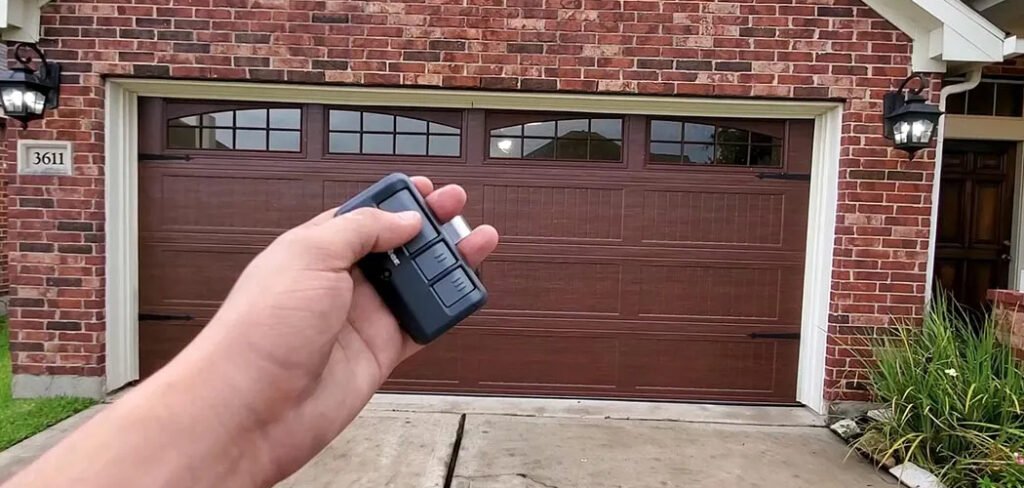
It can be unsettling when your automatic garage door opener stops functioning. Whether the issue is a power outage, a motor problem, or a remote malfunction, the result is the same: a large opening that needs attention. Learning how to close garage door manually is a practical skill that brings peace of mind in these moments. With the right approach, you can secure your garage safely and efficiently without any technical expertise.
Understanding the mechanics of manual operation allows you to maintain control, reduce potential hazards, and work with confidence. Approaching the process calmly ensures you protect both your property and yourself. By familiarizing yourself with the steps and focusing on safe handling, you can address unexpected situations smoothly and maintain the security of your home.
What Does It Mean to Manually Close a Garage Door?
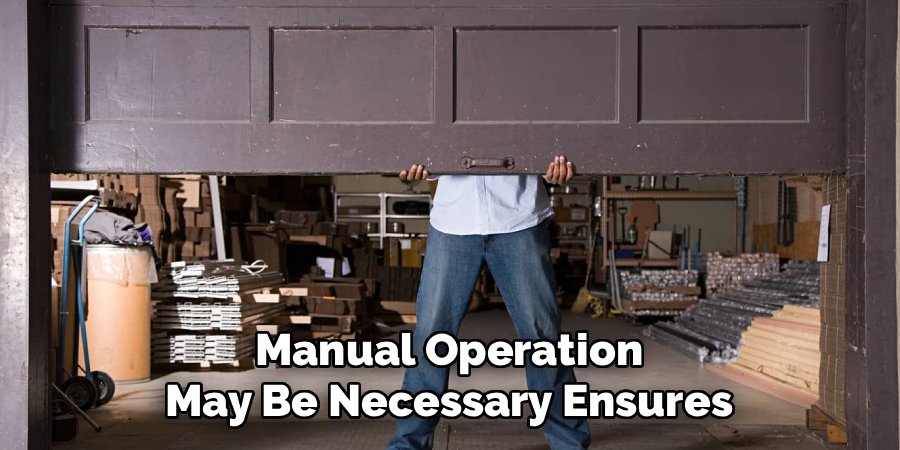
Manually closing a garage door involves disconnecting it from the automatic opener and operating it by hand. Modern openers are equipped with a manual release mechanism designed for situations where power or the motor is unavailable. This allows the door to move along its tracks using counterbalancing springs, which reduce the effort needed to lift or lower the door.
Manual operation provides homeowners with control in any scenario, whether it’s a routine check, maintenance, or a power interruption. It ensures that the garage can remain secure and functional, without relying on electricity or automatic systems. Knowing how the door moves and interacts with its hardware makes this task more predictable and manageable.
Preparing to Operate Your Garage Door by Hand
Before beginning, take a moment to prepare your environment. Clear the area around the door inside and out, removing any obstacles, vehicles, or objects that could interfere with movement. Ensure that pets and children are safely away from the garage during this process.
Familiarize yourself with key components such as the manual release cord, the trolley mechanism, and the door’s tracks. Confirm that lighting is sufficient, particularly during power outages. Establishing a clean, organized workspace minimizes distractions and helps you focus on the task safely. By mentally preparing, you create a controlled environment that allows the door to be operated with ease.
Why Manual Operation Is Important
Knowing how to manually close your garage door is essential for responsible homeownership. Aside from providing convenience, it ensures the security of your property. An open or unsecured garage can expose your home to weather, pests, or other inconveniences.
Manual operation also allows you to maintain the door and inspect its components without relying on electrical power. Understanding this procedure helps you avoid damage to the door, springs, or hardware. By adopting a careful, informed approach, you can secure your garage efficiently while protecting the integrity of its mechanical system.
Common Situations You Should Be Aware Of
There are several scenarios where manual operation may be required. Power outages are the most common, leaving the electric opener inactive. Malfunctioning motors, worn-out gears, or broken components may also render the automatic system unusable.
Other situations include dead batteries in remotes or keypads, tripped circuit breakers, or temporary electrical interruptions in the garage. Being aware of these situations allows you to respond quickly and safely. Understanding why manual operation may be necessary ensures you are prepared without causing unnecessary worry or disruption.
Tools and Materials You’ll Need
- Sturdy stepladder: For safely reaching the opener’s manual release mechanism.
- Work gloves: Enhance grip and protect your hands.
- Flashlight or headlamp: Useful in low-light conditions or power outages.
- C-clamp or locking pliers (optional): Adds an extra layer of security when locking the door manually.
These basic items are typically available in most homes and provide the support needed to operate the door safely and efficiently.
Step-by-Step Guide: How to Close Garage Door Manually
Step 1: Ensure the Garage Door Is Fully Closed
Safety Caution: Verify the door is fully lowered before disengaging the opener. A stable, fully closed door minimizes potential risk and makes the manual process more predictable.
Starting with a fully closed door ensures stability, as partially open doors may exert uneven tension due to the springs. If the door is stuck open or uneven, do not attempt to force it; instead, seek professional assistance. Ensuring the door is at its lowest position sets a safe foundation, reducing strain and maintaining control during the manual operation. This step also allows you to work without the concern of sudden movement or imbalance, providing better protection for both the door and yourself.
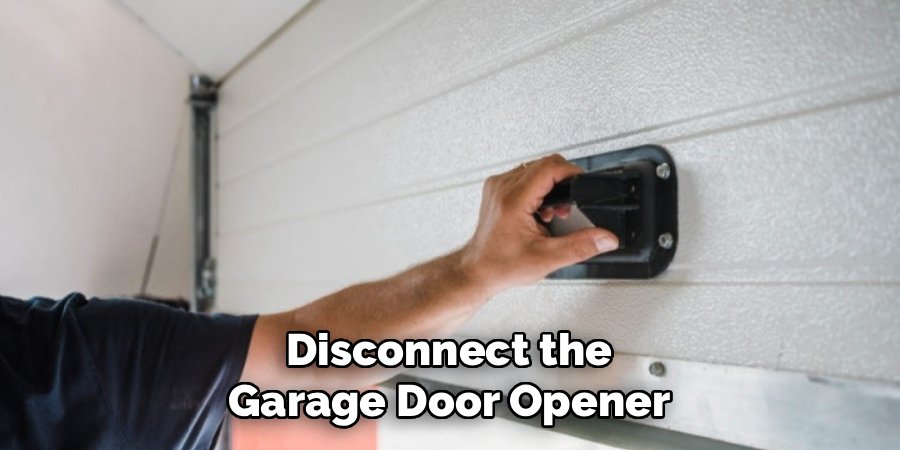
Step 2: Disconnect the Garage Door Opener
Safety Caution: Always unplug the power supply before interacting with the opener. Eliminating electricity prevents accidental motor activation.
Locate the power cord connected to the ceiling-mounted opener and unplug it from the outlet. Even if the circuit appears off, restoring power inadvertently could cause the opener to activate unexpectedly. This simple precaution removes electrical variables, giving you full control of the door. Disconnecting the opener is a foundational safety measure that ensures your next actions, including pulling the manual release, can be performed confidently and without concern for sudden motor engagement.
Step 3: Engage the Manual Release Cord
Safety Caution: Confirm the area is clear of people and objects before pulling the release cord. Gloves provide a secure grip.
Locate the red cord hanging from the trolley mechanism above the door. This is the manual release cord designed to disconnect the door from the opener. Pull the cord firmly downward until you hear or feel it click, releasing the trolley from the chain or belt. This action transitions the door into manual mode. If the cord is stuck, a firm, deliberate pull is usually more effective than slow tension. Engaging the release cord frees the door, allowing you to operate it by hand while maintaining smooth control and proper alignment.
Step 4: Lower the Door by Hand
Safety Caution: Use a firm grip on the bottom panel and maintain control throughout the descent. Avoid sudden movements.
With the door disengaged, grasp the bottom edge or handle and slowly lower it along the tracks. Counterbalancing springs should make the door feel manageable. If the door resists movement or feels heavy, pause and assess; this may indicate a spring or cable issue. Lower the door gradually, keeping hands and fingers clear of panel joints and tracks. A controlled descent prevents damage to the door, avoids strain on the hardware, and ensures improved safety while securing the garage.
Step 5: Secure the Door in Place
Safety Caution: Prevent unwanted movement by using the door’s manual lock or an optional clamp.
Engage the interior manual slide lock if available. If your door lacks a manual lock, a C-clamp or locking pliers can be placed on the track above a roller to prevent the door from moving upward. This final measure ensures the garage remains secure while the opener is out of operation. Properly securing the door protects your home, your belongings, and provides peace of mind until the automatic system can be restored.
Simple Safety Tips You Can Use
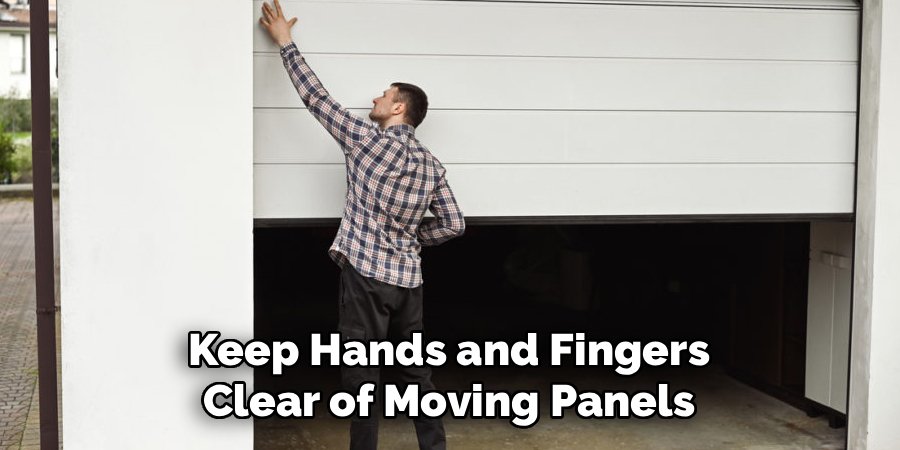
Maintaining safety is crucial. Keep hands and fingers clear of moving panels and hinges. Never place objects in the path of the door. If the door shows unusual behavior, avoid attempting repairs on your own. Regularly inspect springs, cables, and rollers for signs of wear, but do not adjust them manually. Using protective equipment like gloves and proper footwear enhances control and reduces potential harm.
How to Stay Safe in Everyday Situations
Home Environment: Keep pathways clear, and ensure the garage floor is free of clutter to avoid slips. Secure loose rugs to prevent trips and falls.
Family Considerations: Teach children and family members to stay clear of garage doors when in motion. Reinforce that the door is not a toy and that control buttons are for adult use.
Furniture and Lifestyle: Arrange furniture and storage in a way that allows easy movement around the garage. Heavy items should be stable to prevent accidental tipping. Mindful organization and awareness of your surroundings reduce risks in everyday interactions.
Common Mistakes to Avoid
Rushing to pull the release cord before unplugging the opener is a frequent mistake that can create unintended movement. Attempting to operate a door that is partially open may cause imbalance or stress on the springs. Finally, avoid DIY repairs of damaged springs or frayed cables; these components require specialized tools and knowledge. Awareness of these potential missteps allows you to work safely and maintain the longevity of your garage door.
Frequently Asked Questions
Why won’t my garage door close manually?
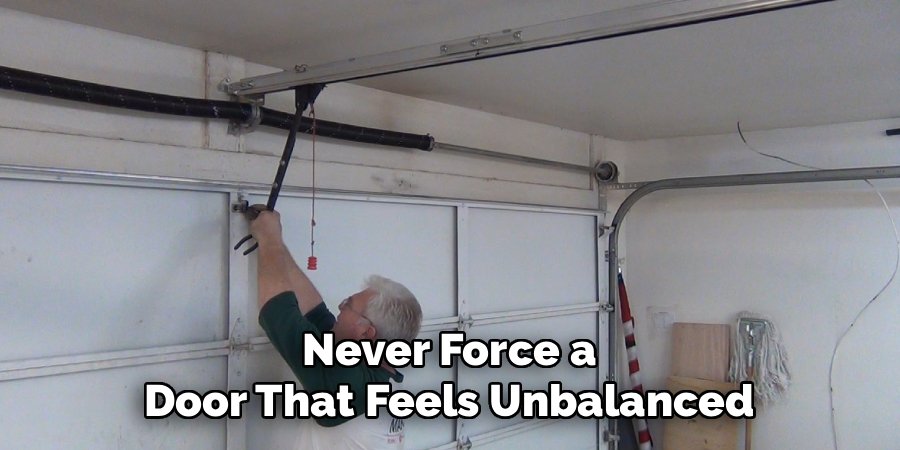
Difficulty in manual operation is often linked to the door’s balance system, not the opener. Springs are designed to counteract the door’s weight, making it manageable. If springs are broken, worn, or tensioned incorrectly, the door may feel heavy or impossible to move safely. Tracks may also be obstructed or damaged. Never force a door that feels unbalanced; instead, contact a qualified technician. Addressing the underlying spring or track issues ensures smoother and safer manual operation without unnecessary strain or risk.
Is it safe to leave the garage door disconnected from the opener?
Yes, as long as the door is secured. Disengaging the opener disables the built-in lock mechanism, so it’s essential to use a manual slide lock or a C-clamp above a roller. This prevents unauthorized lifting and maintains security. While temporarily safe, it’s best to restore automatic functionality promptly to regain the convenience and protection intended by the opener system.
How do I re-engage the garage door opener after manual operation?
Ensure the door is closed and aligned. Pull the manual release cord toward the opening to reconnect the trolley to the opener. Use the remote or wall control to run the opener through an open-and-close cycle. The trolley should automatically engage with the carriage. Slight manual adjustments may help align components. Check the user manual for model-specific guidance. Running a full cycle confirms proper reconnection and functionality.
What is the red cord hanging from my garage door opener?
The red cord is the emergency manual release, allowing you to disconnect the door from the opener. Its purpose is to provide manual control when power is unavailable or safety sensors fail. Pulling this cord disengages the trolley mechanism, enabling smooth operation by hand. It is designed for controlled, intentional use when the door is properly prepared for manual handling.
How often should I test the manual release on my garage door?
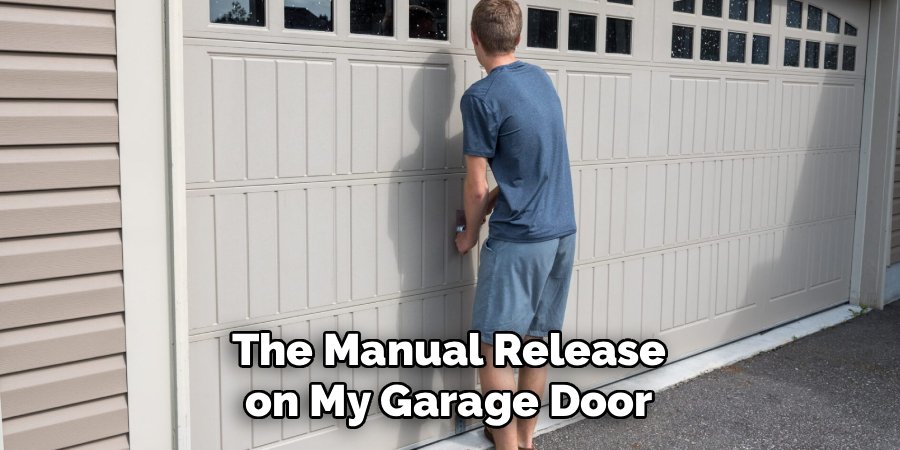
Testing twice a year is recommended. Close the door, pull the red release cord, and move the door by hand. It should operate smoothly and remain stationary if paused mid-position. Difficulty in lifting or slamming indicates spring or cable issues that require professional attention. Regular testing ensures the manual release functions properly when needed and helps identify mechanical concerns before they escalate.
Conclusion
Knowing how to close garage door manually is an empowering skill that improves your home preparedness and security. Following careful, step-by-step procedures ensures your garage remains safe, even during power interruptions or opener malfunctions. With attention to safety, patience, and proper handling, manual operation becomes a manageable and reliable part of home maintenance. Responsible action and awareness protect both your property and your family, providing confidence and peace of mind in everyday situations.
